
Basic Information
1. Product Name:lithium hexafluorophosphate
2. Other Names:Phosphate(1-), hexafluoro-, lithium (1:1); Lithium hexafluorophosphate(1-); Phosphate(1-), hexafluoro-, lithium
3.Molecular Formula:F6LiP
4.UN No.:2923
5.HS No.:2826902000
6.CAS No.:21324-40-3
7.EINECS No.: 244-334-7
9.Purity:≥99.9%
10.Hazard Class:8+6.1
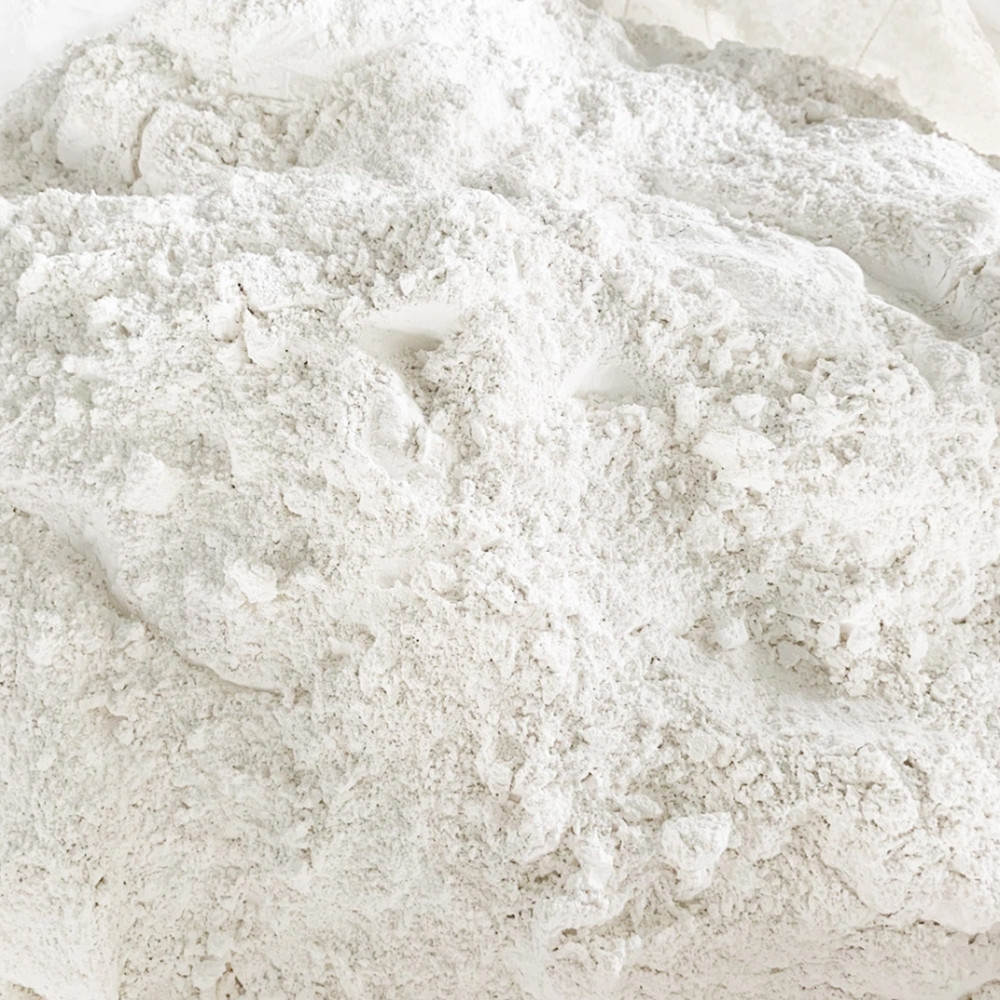
11.Appearance:White crystalline powder
Physical and Chemical Properties
Appearance: White crystalline powder, no noticeable odour
Melting point: Approximately 200°C (decomposes prior to reaching melting point; no distinct melting point)
Solubility: Freely soluble in carbonate-based organic solvents (e.g., ethylene carbonate, dimethyl carbonate) and acetonitrile; slightly soluble in alcohols such as methanol and ethanol; insoluble in alkane solvents such as petroleum ether and n-hexane; readily hydrolyses upon contact with water, yielding impurities including hydrogen fluoride (HF), phosphoric acid, and lithium fluoride whilst releasing an irritant odour
Stability: Stable under dry, sealed conditions at ambient temperature; decomposes readily upon heating, contact with water, or exposure to alcohols, with corrosive decomposition products; reacts upon contact with strong oxidising agents or strong alkalis
Corrosivity: Intrinsically highly corrosive; hydrolysed HF exacerbates corrosivity, causing severe damage to metals, skin, and mucous membranes
Toxicity: Exhibits acute toxicity; toxic if swallowed (GHS hazard statement H301); repeated exposure may cause damage to organs such as liver and kidneys (H372)
Hygroscopicity: Highly hygroscopic; readily absorbs moisture in air, leading to deliquescence and hydrolysis; therefore requires storage in a completely anhydrous, sealed container throughout handling
Application
- Power batteries: Core electrolyte component for battery systems in new energy vehicles (pure electric/hybrid), including lithium iron phosphate and ternary lithium batteries, accounting for over 70% of global demand;
- Consumer batteries: Essential solute for lithium batteries in 3C products such as mobile phones, laptops, tablets, Bluetooth earphones, and power banks;
- Energy Storage Batteries: Core raw material for electrolytes in lithium batteries for photovoltaic, wind power, grid storage, and home energy storage systems, experiencing rapid demand growth alongside the energy storage industry’s expansion;
- Niche Applications: Customised electrolytes for small-scale power batteries in electric bicycles and power tools, as well as backup lithium batteries for aerospace applications.
Storage
- Storage Environment: Store in a dedicated anhydrous warehouse that is dry, well-ventilated, and protected from light. Maintain a temperature range of 0–25°C and relative humidity ≤30%. The warehouse must be equipped with professional dehumidification and argon gas protection systems to prevent moisture absorption and hydrolysis of the product.
- Sealing Requirements: Products must remain vacuum-sealed with argon protection. Inner bags must be intact, and outer packaging must retain its seal. Upon opening, use immediately. Any remaining contents must be resealed under vacuum and re-flushed with argon. Prolonged exposure to air is strictly prohibited.
- Isolated Storage: Store in a dedicated, segregated area away from water sources, acids, alkalis, strong oxidising agents, alcohols, organic solvents, and other reactive substances. Maintain a safe distance from flammable materials and general chemical products. The warehouse must be equipped with leak containment berms and emergency absorption devices.
ABOUT US
We work in this field for about 16 years, and the annual output of lithium hexafluorophosphate about 800,000 tons.
OUR ADVANTAGE
1.Quickly and timely response
2.Quick and professional Delivery of chemicals
3.Professional technical support and after-sales service
4.Full set of Hazard Chemical Exporting Licenses
5.Continuous and stable supply chemicals with professionally deal Bulk Vessel,ISO Tank and containers transportation